Peru is not a country you visit in a weekend. From the Pacific coast to the Amazon basin, passing through high-altitude Andean cities, the distances are real and the choices are many. A well-built Peru travel itinerary saves you from spending half your trip on buses or scrambling for sold-out trains.
This guide covers the main routes, realistic travel times, and the destinations that belong on your list depending on how many days you have.
How many days do you need in Peru?
There is no single right answer, but most travelers fall into one of three ranges:
7 to 10 days works if you focus on one region. Lima plus Cusco plus Machu Picchu is the most popular combination and fits comfortably in a week if you book in advance.
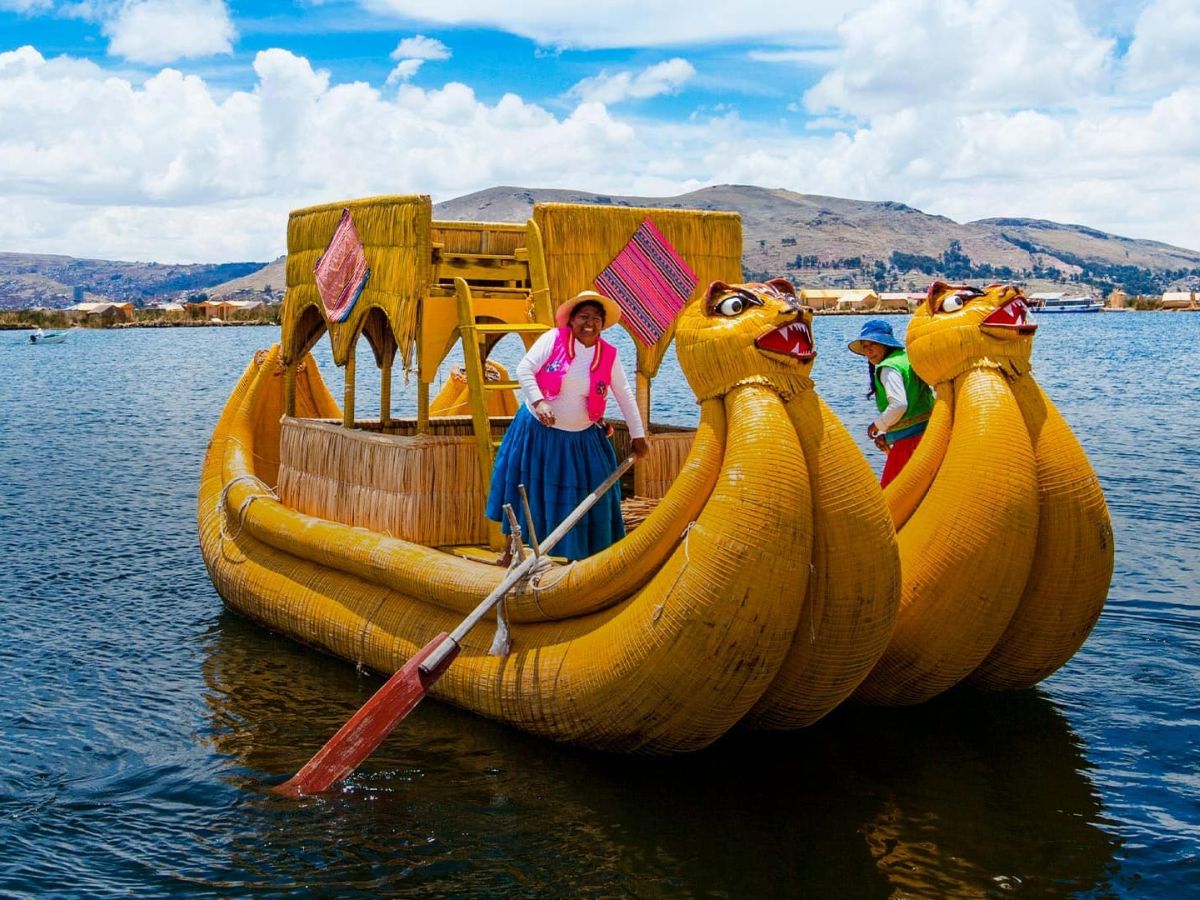
12 to 15 days lets you add one or two extra stops, whether that is the Sacred Valley, the Colca Canyon near Arequipa, or the reed islands of Lake Titicaca in Puno.
20 days or more opens the door to the Amazon. Iquitos and Puerto Maldonado are the two main jungle gateways, and neither connects to the Andes by road in any practical way, so you will need an internal flight.
The biggest time thief in Peru is altitude. Cusco sits at 3,400 meters above sea level. Most visitors need at least two full days to acclimatize before hiking or doing anything physically demanding. Build that buffer into your itinerary from day one.
The classic Peru route: Lima, Cusco, and Machu Picchu
This three-point route is what most first-time visitors follow, and for good reason. It covers the country’s most famous sites without requiring a complicated logistics chain.
Lima (2 nights): Start in the capital. The Miraflores and Barranco districts are where most tourists stay, and the food scene here is world-class. Lima also has direct international flights, so it works as both an entry and exit point. Two nights is enough for the highlights: the historic center (a UNESCO World Heritage Site), Larco Museum, and a long dinner somewhere in Miraflores.
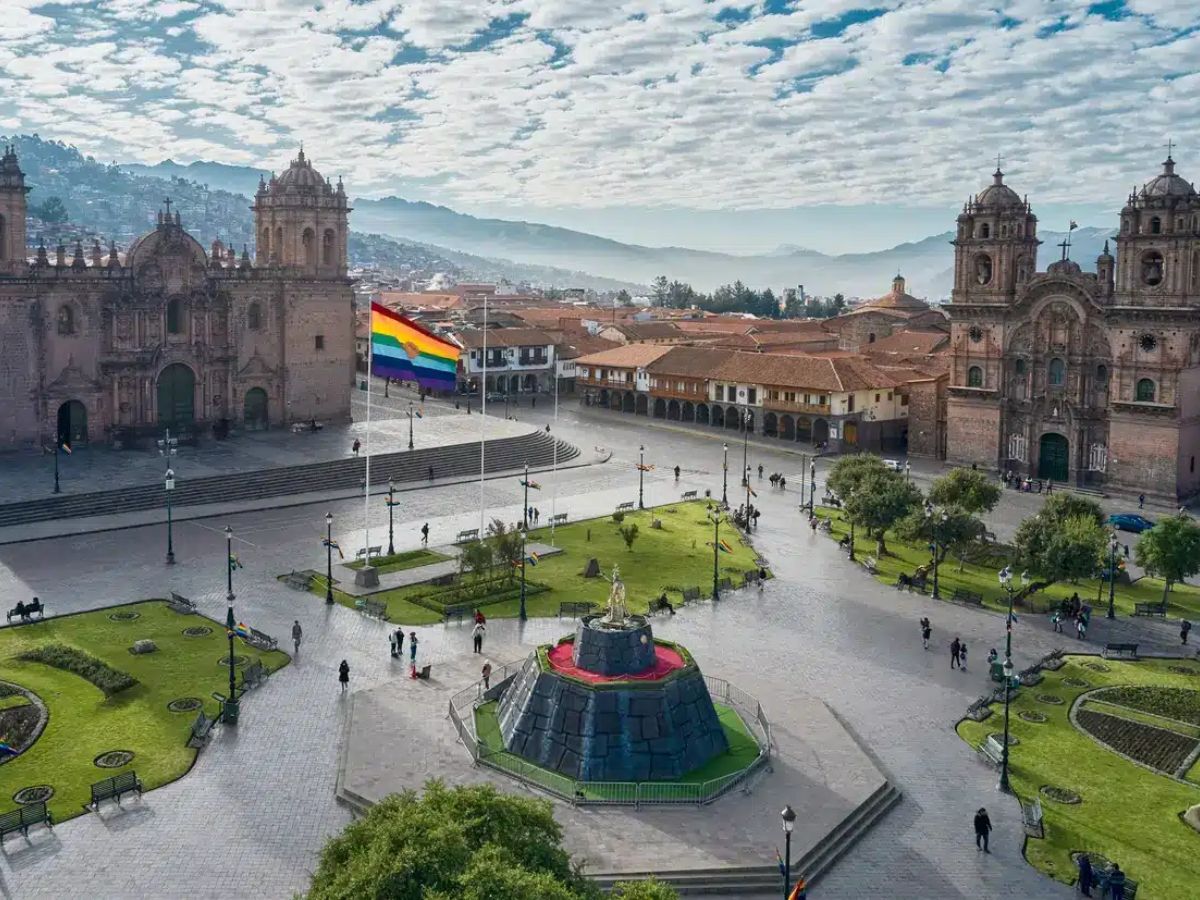
Cusco (3 to 4 nights): Fly from Lima to Cusco in about 1.5 hours. The first day should be slow: walk the city, visit the Plaza de Armas, maybe head to the San Pedro market. Your body needs time to adjust. From day two onward, you can explore the surrounding ruins, including Sacsayhuamán, Qorikancha, and the nearby town of Chinchero. Working with a travel agency in cusco makes this part easier: most agencies handle airport transfers, city tours, and Sacred Valley day trips as a bundled package.
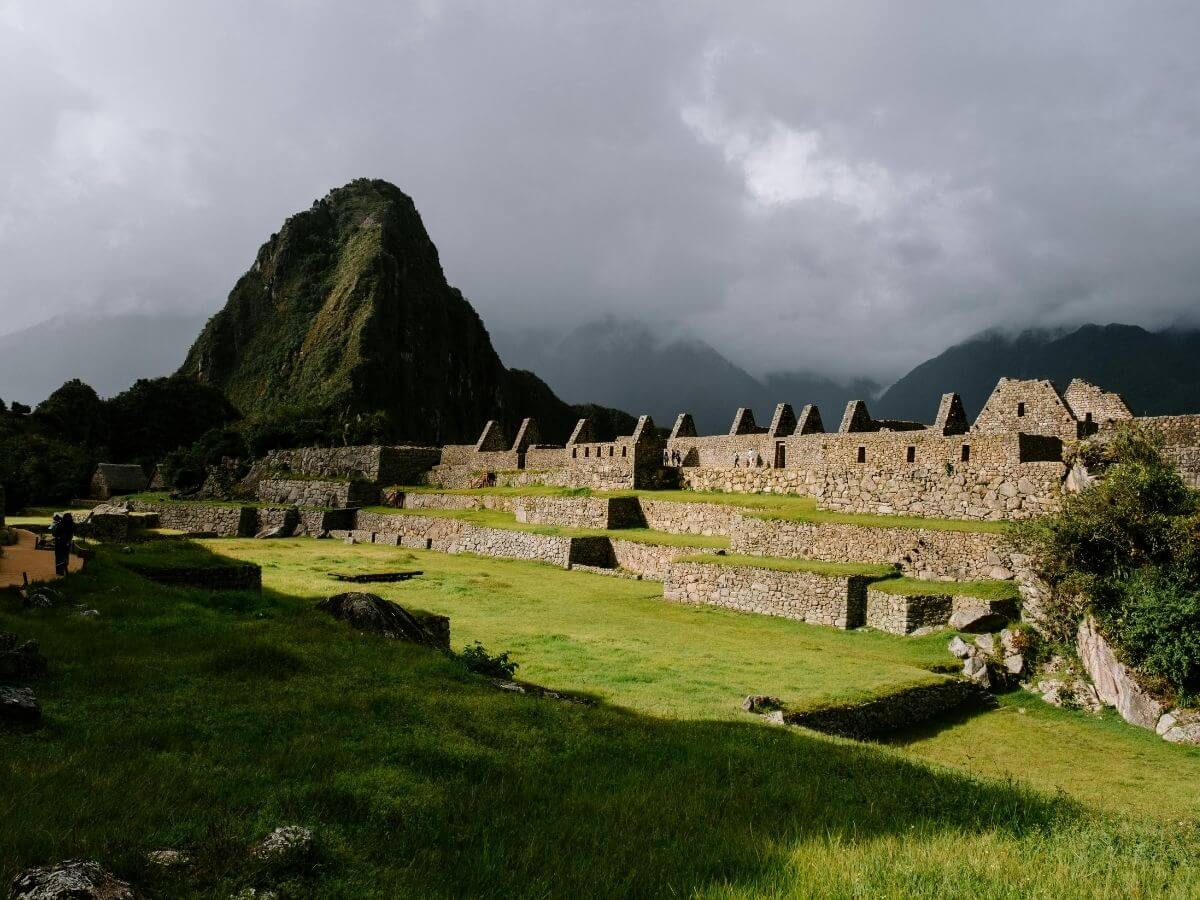
Sacred Valley (1 to 2 nights, optional): The Sacred Valley towns of Pisac, Ollantaytambo, and Urubamba sit at lower altitude than Cusco (around 2,800 meters), which makes them a smarter base for acclimatization. Ollantaytambo also has direct train connections to Aguas Calientes, the town at the base of Machu Picchu.
Machu Picchu (1 to 2 nights): Take the train from Ollantaytambo or Cusco to Aguas Calientes, then a bus up to the citadel. Entry to Machu Picchu requires advance tickets purchased through the official government platform. Circuits are timed and capacity-controlled, so plan ahead. Spending a night in Aguas Calientes lets you enter at sunrise before the crowds arrive.
Adding Arequipa and Puno to your Peru itinerary
If you have 12 or more days, Arequipa and Puno are worth the detour south.
Arequipa
Peru’s second city sits at 2,335 meters, lower than Cusco, and is built almost entirely from white volcanic stone. The historic center is one of the best-preserved colonial districts in South America. From Arequipa, you can do a two-day tour to the Colca Canyon, which at 3,270 meters deep is one of the deepest canyons on the planet and a reliable spot to see Andean condors in flight.
Getting to Arequipa from Cusco takes about 9 hours by bus (overnight options exist) or 1 hour by plane. The bus route passes through spectacular scenery if you travel by day.
Puno and Lake Titicaca
Puno (3,830 meters) is where you go to see Lake Titicaca, the highest navigable lake in the world. The main draws are the Uros floating reed islands and the island of Taquile, where the weaving tradition is a UNESCO-recognized cultural heritage. A full-day boat tour covers both. The overnight bus from Cusco to Puno takes 6 to 7 hours and passes through Andean towns like Juliaca.
The jungle routes: Iquitos and Puerto Maldonado
The Amazon is a different Peru entirely. No ruins, no mountains, no cobblestone streets. Just river, forest, and wildlife.
Puerto Maldonado is the easier option logistically. It is accessible by a 1.5-hour flight from Cusco, and the lodges in the Tambopata Reserve are well organized for short stays of 3 to 4 nights. You will see macaws at clay licks, caimans at night, and river otters if you are patient.
Iquitos is only reachable by plane or boat (no road connects it to the rest of Peru). Flights operate from Lima and take about 2 hours. The Amazon River here is wide enough to look like an inland sea. Iquitos works better for travelers with 5 or more days to dedicate to the jungle.
Neither route connects directly by land to Cusco, so plan your internal flights early, especially during July and August when prices spike.
Practical tips for building your Peru itinerary
Book Machu Picchu tickets early. The government platform sells out weeks in advance during high season (June to September). If you arrive without a ticket, you cannot buy one at the gate.
Plan altitude acclimatization into your schedule. Arriving in Cusco and heading straight to a high-altitude hike the next morning is a recipe for altitude sickness. Give yourself at least two rest days.
Internal flights beat long bus rides on tight schedules. LATAM and Sky Airline operate frequent routes between Lima, Cusco, Arequipa, Puerto Maldonado, and Iquitos. Book in advance for the best prices.
Consider a local specialist for guided experiences. The difference between a generic group tour and a well-planned private experience in the Sacred Valley or on an Inca site is significant. There are several cusco travel agencies that offer customized itineraries designed around your pace, interests, and fitness level.
Travel insurance is not optional. Medical evacuation from remote areas of Peru is expensive. Coverage that includes altitude sickness treatment and emergency transport is worth every dollar.
Sample 10-day Peru Travel itinerary
| Day | Destination | Activity |
|---|---|---|
| 1 | Lima | Arrive, check in, Miraflores walk |
| 2 | Lima | Historic center, Larco Museum, dinner in Barranco |
| 3 | Cusco | Fly from Lima, arrive and rest, acclimatize |
| 4 | Cusco | City tour: Plaza de Armas, Qorikancha, Sacsayhuamán |
| 5 | Sacred Valley | Pisac market, Ollantaytambo ruins, afternoon at leisure |
| 6 | Aguas Calientes | Train from Ollantaytambo, settle in town |
| 7 | Machu Picchu | Early entry, guided circuit, return to Cusco by train |
| 8 | Cusco | Free day or Chinchero / textile workshops |
| 9 | Cusco | Optional: Rainbow Mountain day trip |
| 10 | Lima | Fly from Cusco, connect home or extend |
This schedule works for most travelers with moderate fitness. Rainbow Mountain (Vinicunca, 5,200 meters) is a strenuous day hike and only makes sense after several days of acclimatization in Cusco.
Where to start planning
The logistics of a Peru trip can stack up fast: flights, train tickets, Machu Picchu permits, hotels, and guided tours all need to move together. The best travel agency in cusco will help you coordinate every piece, from airport pickup on day one to train reservations for Machu Picchu, so nothing gets missed. If you prefer to self-plan, at minimum book your Machu Picchu entrance, your Lima-to-Cusco flight, and your accommodation in Cusco before anything else. Everything else can be arranged on the ground.
Peru rewards travelers who plan ahead. The country is too varied and too layered to rush.
See more of these guides in the blog of Adventure Photos.