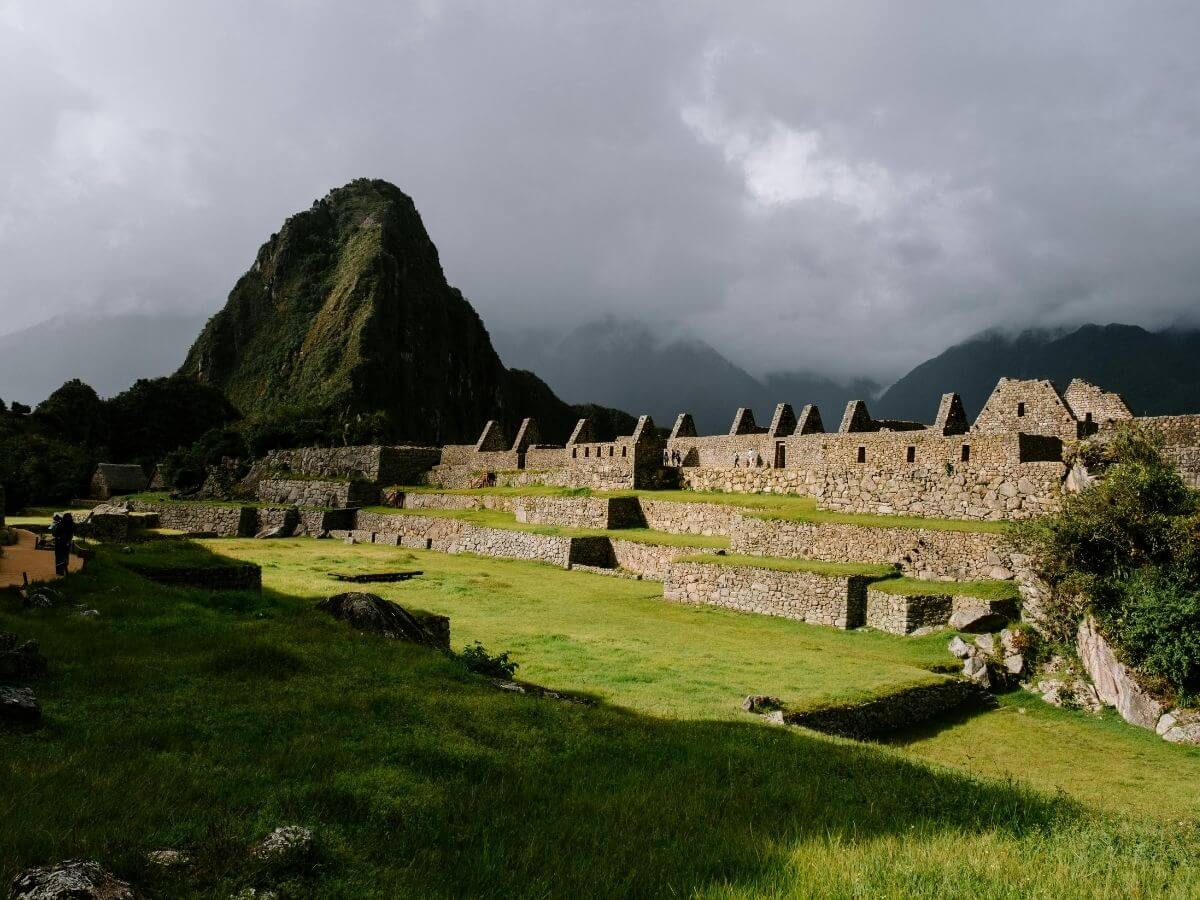
Four main routes lead trekkers to Machu Picchu, and each one delivers a completely different trip. Some hikers want ruins and history at every turn, others want glaciers and remote mountain passes with only a handful of fellow travelers.
Picking the right route matters more than most people realize before they book, since difficulty, scenery and crowd levels vary enormously between them.
The classic Inca Trail
This is the only route that ends by walking through the Sun Gate on foot, arriving at Machu Picchu the way the Inca once did. Four days and 26 miles take hikers past Wiñay Wayna and Sayacmarca, ancient sites most visitors never see.
Permits sell out months in advance, often by January for peak season dates in July and August. That scarcity is part of what makes the trail feel special, since Peru limits daily hikers to around 500 people including guides and porters.
Difficulty sits at moderate to challenging, driven mainly by Dead Woman’s Pass at 13,828 feet on day two.
Salkantay trek
Salkantay has become the most popular Inca Trail alternative, and for good reason. Five days of hiking pass beneath the snow-capped Salkantay peak, through cloud forest and coffee-growing valleys most travelers never expect from an Andean trek.
No permits are required, which gives Salkantay far more flexibility on booking dates than the Inca Trail. The trek reaches a higher maximum altitude, around 15,200 feet at Salkantay Pass, making it arguably harder on paper, though the varied terrain breaks up the climbing more evenly across the five days.
Lares trek
Lares trades ruins for culture. The route winds through small Andean villages where Quechua communities still weave textiles using techniques passed down for centuries, offering a side of the region most trekkers to Machu Picchu never encounter.
Physically, Lares sits closer to moderate than challenging, with altitude topping out around 14,700 feet but with gentler daily distances than Salkantay or Choquequirao.
Short Inca Trail and one-day options
Travelers with limited time can still reach Machu Picchu on foot through the Short Inca Trail, a single demanding day covering roughly 7 miles that still passes through the Sun Gate. It requires solid fitness for one intense day rather than sustained effort across multiple.
Choosing the right trek with Yeska Tours
Time, fitness level and interest in ruins versus culture should drive the decision more than trek popularity alone. Someone with four days and a strong interest in Inca history belongs on the classic trail, while a traveler chasing mountain scenery over ruins often prefers Salkantay.
At Yeska Tours, we walk every traveler through these tradeoffs honestly, matching fitness level and available dates to the route that actually fits, rather than pushing whichever trek has the most name recognition. Our guides have led all four routes and know exactly what each day demands.
Every route reaches the same destination, but the journey there defines the trip. Choosing well means arriving at Machu Picchu having had the experience you actually wanted.
Best time of year to trek
Dry season, from May through September, delivers the most reliable weather across every route, with clearer mountain views and firmer trail conditions than the rest of the year offers. June through August brings the heaviest crowds and the highest demand for Inca Trail permits, so booking early matters most during these months.
Shoulder season, covering April and October, still offers largely dry conditions with noticeably fewer trekkers on the trail, a combination many experienced hikers consider the sweet spot for timing a trip. Wet season, from November through March, brings a real risk of trail closures, particularly on the Inca Trail, which shuts entirely each February for maintenance.
How far in advance to book
Inca Trail permits require the most lead time by far, often four to six months ahead for peak season dates, since Peru’s daily limit sells out predictably each year. Salkantay and Lares carry no permit restrictions, giving trekkers considerably more flexibility to book just weeks or even days ahead if needed.
Regardless of route, booking early secures better availability with reputable operators and gives trekkers more time to train and acclimatize properly before departure. Last-minute bookings remain possible for permit-free routes, but they leave little room for adjusting an itinerary if flights or connections change unexpectedly.